Traditional talk therapy is not a fit for everyone. Many people are uncomfortable with the idea of sitting in front of a stranger and discussing their vulnerabilities, struggles, and fears. This barrier keeps many people who could benefit from therapy from ever giving it a try or giving up before they reach their goals.
Maybe you are more of a “do-er” than a “talk-er” and therefore never saw the point of talk therapy. Or maybe you have tried therapy, but you struggled to build trust with the therapist and never opened up to the point where you made real progress. Maybe you are an advocate of therapy but have stalled after months or years in treatment and are looking for an alternative.
Animal assisted therapies can provide an alternative to traditional therapeutic models and offer several unique aspects that might appeal to those clients seeking something beyond the classic therapy structure.
How its Different and Why it Works
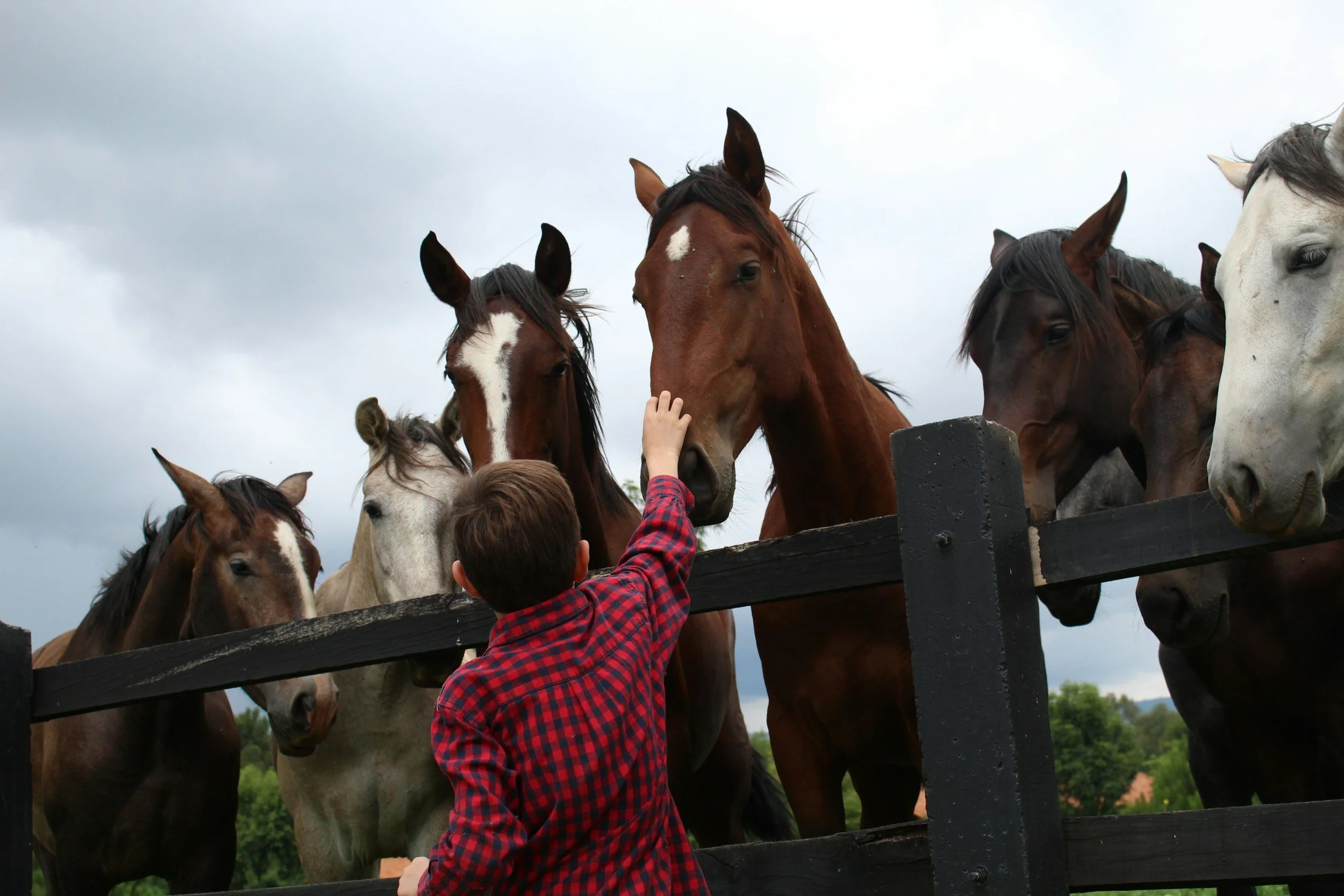
Introducing an animal into the therapeutic setting changes the environment and impacts the client’s experience of the therapeutic process. Beck & Katcher (2003) explain that “a large component of the animal-human bond stems from the social support that individuals receive from animals that translates into positive health effects” (p. 5). Incorporation of horses into the therapeutic context can add elements of serenity as well as contribute to the development of confidence and trust building (Bachi et al., 2011). Furthermore, acceptance by such large creatures can be a powerful experience, not easily overlooked or forgotten.
Clients seeking therapy services in a traditional setting may experience anxiety or social discomfort from the therapeutic setting itself; however, animal assisted therapy, has the benefit of physically touching animals, which can provide comfort to the client and feelings of safety. Interacting with animals has been found to reduce blood pressure, decrease stress and anxiety, and release endorphins (Trotter, 2012). Clients unsure about confiding in a new therapist, may be more comfortable being vulnerable with an animal who is incapable of judging them. Horses do not lie or manipulate, therefore, when the trust of a horse is granted, it has been rightfully earned.
Therapeutically interacting with animals can provide opportunity for meaningful learning and lasting change. Learning is retained more when individuals are emotionally invested and learning is maximized when it occurs within significant relationships (Vygotsky, 1978). It is this concept which makes the experiential element of equine therapy so impactful. Adding an animal to therapy can give the client opportunity to strengthen self-concept and self-esteem, develop personal and social identity, as well as elicit a wide range of emotions (Chandler, 2005).
Horses provide honest and reliable feedback. As prey animals, horses have survived through their constant vigilance. They are able to stay keenly aware of their surroundings and accurately reflect the attitudes and behaviors they are confronted with. As herd animals, horses exist, relate, and communicate with one another in ways similar to human beings. The horse, therefore, becomes the perfect conduit upon which clients may project their own unconscious thoughts and fears and explore new ways of approaching problems.
Equine Assisted Therapy is an experiential work that utilizes horses to “increase clients’ awareness of their thoughts, words, and actions”… [it] facilitates client learning and change by teaching individuals about themselves, allows recognition of dysfunctional patterns of behavior, and helps to define healthy relationships (Trotter, 2012, p. 9). If you are ready for something new, reach out to schedule your first equine therapy therapy session today. No horse experience is needed. We are happy to schedule a free phone consultation first to answer any questions.
References
Bachi, K., Terkel, J., & Teichman, M. (2011). Equine-facilitated psychotherapy for at-risk adolescents: The influence on self-image, self-control, and trust. Clinical Child Psychology and Psychiatry, 17(2), 298-312.
Chandler, C. K. (2005). Animal assisted therapy in counseling. Routledge.
Trotter, K. (2012). Harnessing the power of equine assisted counseling: Adding animal assisted therapy to your practice. New York: Routledge.
Vygotsky, L. S. (1978). Mind in society: The development of higher psychological processes. Harvard University Press.